Managing Anxiety with Massage Therapy: Discover Massage for Anxiety Benefits
Anxiety can feel overwhelming, making it hard to focus or relax. If you’ve been searching for a natural way to ease your mind and body, massage therapy might be the answer you need. I’ve found that massage offers a gentle, effective way to calm anxiety and restore balance. In this post, I’ll share how massage therapy works, the specific benefits it brings, and practical tips to help you get started on your journey to relaxation.
Understanding How Massage Helps Anxiety
When anxiety strikes, your body reacts with tension, rapid heartbeat, and shallow breathing. Massage therapy targets these physical symptoms by encouraging your muscles to relax and your nervous system to slow down. This creates a calming effect that can last long after the session ends.
Massage stimulates the release of endorphins, your body’s natural feel-good chemicals. It also reduces cortisol, the stress hormone that fuels anxiety. By balancing these chemicals, massage helps you feel more grounded and peaceful.
For example, after a massage session, you might notice your shoulders feel lighter, your breathing deeper, and your mind clearer. These changes can make it easier to face daily challenges without feeling overwhelmed.

Exploring Massage for Anxiety Benefits
The benefits of massage therapy for anxiety are wide-ranging and well-documented. Regular sessions can improve your overall sense of well-being and help you manage stress more effectively. Here are some key benefits you can expect:
Reduced muscle tension: Anxiety often causes tight muscles, especially in the neck, shoulders, and back. Massage loosens these areas, relieving discomfort.
Improved sleep quality: Many people with anxiety struggle to fall or stay asleep. Massage promotes relaxation that can lead to deeper, more restful sleep.
Lowered heart rate and blood pressure: Massage helps calm your nervous system, which can reduce physical symptoms of anxiety.
Enhanced mood: The release of serotonin and dopamine during massage can lift your spirits and reduce feelings of depression.
Increased body awareness: Massage encourages you to tune into your body, helping you recognize early signs of anxiety and respond proactively.
If you want to learn more about the benefits of massage therapy for anxiety, you can visit the link for detailed insights and client testimonials.
What Type of Massage Is Best for Anxiety?
Not all massages are created equal when it comes to managing anxiety. Some techniques are particularly effective at promoting relaxation and reducing stress. Here are a few types to consider:
Swedish Massage: This is a gentle, flowing massage that uses long strokes and kneading. It’s excellent for beginners and those who want a soothing experience.
Aromatherapy Massage: Combining essential oils with massage, this approach enhances relaxation through calming scents like lavender or chamomile.
Deep Tissue Massage: While more intense, this massage targets deeper muscle layers to release chronic tension that may contribute to anxiety.
Shiatsu: A Japanese technique using finger pressure on specific points to balance energy flow and calm the nervous system.
Reflexology: Focused on pressure points in the feet and hands, reflexology can promote relaxation and reduce anxiety symptoms.
When choosing a massage type, consider your comfort level and specific needs. You can always discuss your anxiety concerns with your massage therapist, who can tailor the session accordingly.

How to Maximize Your Massage Experience for Anxiety Relief
To get the most out of your massage sessions, a few simple steps can make a big difference:
Communicate openly: Let your therapist know about your anxiety and any areas of tension or discomfort.
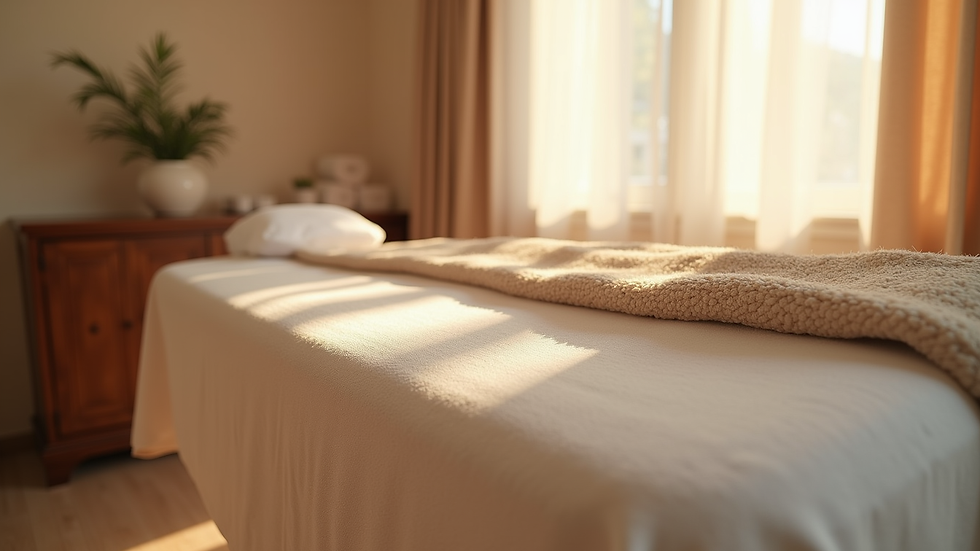
Create a calming environment: Choose a quiet, comfortable place for your massage. Soft music, dim lighting, and pleasant scents can enhance relaxation.
Practice deep breathing: Before and during your massage, focus on slow, deep breaths to help your body relax.
Stay hydrated: Drinking water after your session helps flush out toxins released during massage.
Schedule regular sessions: Consistency is key. Regular massages can build lasting benefits and help you manage anxiety over time.
You might also want to combine massage with other relaxation techniques like meditation, yoga, or gentle exercise for a holistic approach to anxiety management.
Embracing Massage Therapy as Part of Your Wellness Routine
Incorporating massage therapy into your self-care routine can be a powerful way to nurture both your mind and body. Whether you’re a local resident, an artist seeking inspiration, a filmmaker needing focus, or a summer visitor looking to unwind, massage offers a welcoming space to find peace.
At Pleasantville Massage Therapy And Wellness, the goal is to provide affordable, professional massage services that help everyone in the community feel calm and relaxed. You deserve a place where your anxiety can be gently eased, and your well-being supported.
Remember, managing anxiety is a journey. Massage therapy is one of many tools that can help you along the way. By prioritizing your mental and physical health, you’re taking an important step toward a more balanced, joyful life.
Take the time to explore massage therapy and discover how it can support your unique needs. Your path to inner calm and physical relaxation is waiting.
If you want to learn more about how massage can help you manage anxiety, feel free to reach out or schedule a session. Your well-being matters, and massage therapy can be a wonderful part of your self-care toolkit.
Comments