Massage Therapy for Anxiety Relief: Finding Calm in Your Busy Life
Anxiety can feel overwhelming, like a constant buzz in your mind that’s hard to quiet. When stress builds up, it affects your body and spirit, making it difficult to relax or focus. One gentle and effective way to ease this tension is through massage therapy. Over time, I’ve seen how a simple touch can bring profound relief and restore balance. If you’re searching for a natural path to calm your nerves, massage therapy might be the answer you’ve been looking for.
How Massage Therapy Helps with Anxiety
Massage therapy works by targeting the physical symptoms of anxiety, such as muscle tightness, headaches, and rapid heartbeat. When your muscles relax, your mind often follows. The soothing pressure and rhythmic strokes encourage your body to release endorphins, which are natural mood lifters. At the same time, massage lowers cortisol levels, the hormone linked to stress.
You might notice that after a session, your breathing slows and deepens, and your thoughts become less scattered. This happens because massage activates your parasympathetic nervous system, which is responsible for rest and digestion. It’s like pressing a reset button for your body and mind.
Many people find that regular massage sessions help them sleep better, reduce feelings of panic, and improve overall emotional well-being. Whether you’re dealing with occasional anxiety or chronic stress, massage therapy offers a safe, drug-free way to support your mental health.

Exploring Massage Therapy for Anxiety Relief
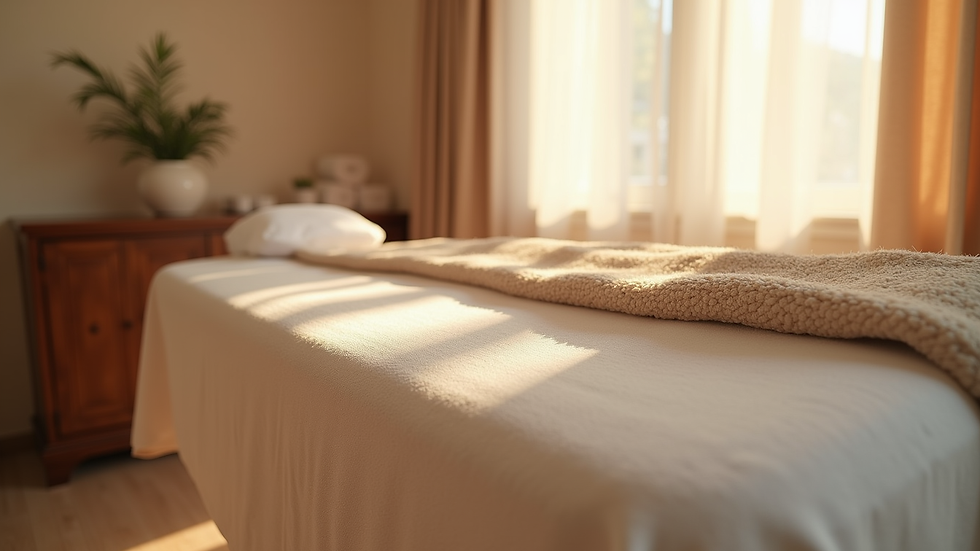
When you come in for a massage, the environment plays a big role in your experience. Soft music, gentle lighting, and a comfortable table all help create a space where you can let go of tension. Your therapist will usually start by asking about your specific concerns and any areas where you feel tightness or discomfort.
During the session, you might feel a mix of gentle kneading, long strokes, or light tapping. These techniques help improve circulation and encourage your muscles to release built-up stress. You can always communicate with your therapist about pressure levels or areas you want to focus on.
Massage therapy is not just about the physical touch. It’s also a moment to pause, breathe, and be present. This mindful aspect can be especially helpful if your anxiety makes it hard to stay grounded. Many clients tell me that the combination of touch and quiet time helps them reconnect with their bodies in a positive way.
If you’re curious about the benefits of massage therapy for anxiety, you’ll find that it supports both your mental and physical health. It’s a holistic approach that respects your unique needs and rhythms.
What Type of Massage Is Best for Anxiety?
Not all massages are the same, and some styles are better suited for anxiety relief than others. Here are a few popular types that you might consider:
Swedish Massage
This is a gentle, flowing massage that uses long strokes and light to medium pressure. It’s perfect if you want to relax deeply without intense pressure. Swedish massage helps reduce muscle tension and promotes overall relaxation.
Deep Tissue Massage
If your anxiety causes chronic muscle tightness or pain, deep tissue massage might be helpful. It uses firmer pressure to reach deeper layers of muscle and fascia. While it can be intense, many find it releases stubborn knots and eases physical stress.
Aromatherapy Massage
This combines massage with essential oils known for their calming properties, such as lavender or chamomile. The scents enhance relaxation and can help soothe your nervous system.
Shiatsu
A Japanese technique that uses finger pressure on specific points of the body. Shiatsu aims to balance energy flow and can be very calming for anxiety.
Reflexology
Focused on the feet, hands, or ears, reflexology applies pressure to specific points that correspond to different organs and systems. It’s a gentle way to promote relaxation and reduce anxiety symptoms.
When choosing a massage type, consider your comfort level and what feels best for your body. You can always try different styles to see which one helps you most.

Practical Tips for Maximizing Your Massage Experience
To get the most out of your massage therapy sessions, here are some simple tips you can follow:
Communicate openly: Let your therapist know about your anxiety and any physical issues. This helps them tailor the session to your needs.
Arrive early: Give yourself time to settle in and start relaxing before the massage begins.
Stay hydrated: Drinking water before and after your session helps flush out toxins released during massage.
Practice deep breathing: Use slow, deep breaths during the massage to enhance relaxation.
Schedule regular sessions: Consistency can build lasting benefits for your anxiety and overall well-being.
Create a calming routine: Combine massage with other relaxation techniques like meditation, gentle yoga, or warm baths.
Remember, massage therapy is a personal journey. What works for one person might differ for another. Be patient and kind to yourself as you explore this healing practice.
Embracing Massage Therapy as Part of Your Wellness Routine
Incorporating massage therapy into your life can be a powerful step toward managing anxiety. It offers a moment of peace in a hectic world and helps you reconnect with your body’s natural ability to heal and relax.
At Pleasantville Massage Therapy And Wellness, the goal is to make professional massage accessible and welcoming for everyone. Whether you’re a local resident, an artist seeking inspiration, a filmmaker needing to unwind, or a summer visitor looking for calm, you’ll find a supportive space here.
Massage therapy is more than just a luxury - it’s a valuable tool for nurturing your mental and physical health. By prioritizing self-care and relaxation, you can build resilience against anxiety and enjoy a more balanced, peaceful life.
Take the first step today. Your body and mind will thank you.
Comments